Panos South Asia, with its headquarters in Kathmandu, is part of the family of Panos Institutes worldwide that encourage and facilitate public discourse and debate on a wide range of issues.
Treatment & Care : For People living with HIV/AIDS
Monitoring & Evaluation: Work in Progress
Public Health
PANOS INSTITUTE, INDIA AND THE MEDIA FELLOWSHIP PROGRAMME
ON DALIT WOMEN’S HEALTH AND HUMAN RIGHTS Panos Institute, India is a
unique organization that straddles the worlds of media and civil society.
Its vision is to make societies inclusive, democratic and just. It works through
the media to renegotiate power by enabling diverse opinions, ideas and theories
to be included in the debate on governance and development. Panos India is a
country office for Panos South Asia that forms part of a global family of Panos
Institutes subscribing to common goals. It was started in 1998 with a
programme of media fellowships on Gender, Sexual Health and Women’s Rights. This
fellowship programme ran for six years, by which time the Institute also did
substantive work in the fields of Media Pluralism, Globalisation, Environment,
Public Health and Conflict Resolution. As the media fellowships drew to a
close, Panos felt that the most affected and doubly oppressed by both caste and
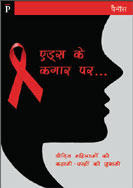
patriarchy, namely Dalit women, needed exclusive focus. This book is a result of
that focus, containing the best of the fellowships on Dalit Women’s health and
human rights, perspectives from eminent writers on Dalit issues and the work of
academics engaging with the subject. It is edited and introduced by Dr Imrana
Qadeer, who is not only on the Panos India board, but has also remained on the
panel of advisors for the Gender Fellowship programme right from its inception.
This book would not have been possible without the contribution of the Panelists
in selecting, training and assisting the journalists through their work.
Besides Dr Qadeer, the panel for the Dalit Women Health and Rights Fellowship
comprised of Ms Manimala, Ms Urvashi Butalia, Ms Kalpana Sharma, Professor
Kancha Illiah and Panos South Asia’s Executive Director, Mr. A S
Panneerselvan. The panelists and Panos staff made a careful selection of 21
journalists India wide through two cycles of Fellowships, provided them
intensive training and exposure to the subject, supported them through their
research with both expert guidance and financial assistance and helped them
contextualise and frame their work. While a number of women formed part of the
Fellowships, the paucity of Dalit journalists was revealing. The journalists
then produced five research-based features in their respective media
publications and one long, investigative piece, the best of which find inclusion
in this book. The project was supervised and executed by the Panos India Country
Director, Ms Mitu Varma with the support and coordination of Mr Danny Geevaghese
and Ms Tungshang Ningreichon. In Dr Qadeer’s words, “ Being part of this
process has been an enriching experience…..This process brought out the
complexity of the issue of Dalit women’s health and rights, which requires deep
insight and sensitivity towards structural, social, economic, cultural, gender
and technological constructs to understand the well-being and collective rights
of the most marginalized. For this reason, other than the journalists who were
awarded the Fellowships, we decided to invite scholars engaged in Dalit studies
or those engaged in evolving a comprehensive vision of health, especially of the
marginalized. These scholars agreed readily and were spontaneous in their
support. This has helped in creating a thin cloud over the blinding glare of
“India Shining” with a silver lining that helps see things otherwise not
visible, and contributes towards making better ideological and strategic choices
in the future.”














01.jpg)